

You sip something cold and feel a sharp jolt through your tooth. Or perhaps a dull ache is the first thing you notice when you wake up in the morning, despite brushing and flossing regularly. Naturally, you think you’re dealing with a cavity.
Then comes the surprise: your dentist examines the tooth and finds no visible decay.
It can feel confusing. Tooth pain is often associated with cavities, yet teeth can become sensitive or painful for many other reasons. Teeth are living structures connected to nerves, ligaments, bone, and surrounding tissues. When one part of that system becomes irritated or inflamed, discomfort can follow, even when the enamel appears perfectly healthy.
Understanding the possible causes of non-cavity tooth pain can help you recognise when something needs attention and why a professional assessment still matters.

Tooth pain is not always caused by decay
Cavities are one of the most common causes of dental discomfort, though they are far from the only one. Pressure, inflammation, grinding habits, exposed roots, sinus congestion, and even tiny fractures can all trigger symptoms that feel remarkably similar to tooth decay.
In many cases, the pain is your body’s way of signalling that something nearby needs care before it worsens.
Night-time grinding can bruise the teeth
Many people grind or clench their teeth during sleep without realising it. This condition, known as bruxism, places enormous pressure on the teeth and jaw muscles over several hours each night.
Unlike cavities, the discomfort from grinding is often more widespread. Teeth may feel sore in the morning, sensitive when biting, or generally “tired.” Some people also experience jaw tension, headaches, or clicking around the temporomandibular joint (TMJ).
Over time, constant grinding can wear enamel down, strain the supporting ligaments around the teeth, and even create microscopic cracks that are difficult to detect early on.
Stress, disrupted sleep, caffeine, and bite alignment issues can all contribute to bruxism.

Gum recession can expose sensitive tooth roots
The visible part of your tooth is protected by enamel, which is extremely strong. Beneath the gumline, however, the root surface is covered by dentin, a much softer material that is directly connected to the tooth’s nerve pathways.
When gums recede, these root surfaces become exposed.
This can happen gradually due to:
- Aggressive brushing
- Gum disease
- Natural ageing
- Teeth grinding
- Thin gum tissue genetics
Once exposed, the roots may react sharply to cold drinks, hot foods, sweet foods, or even cool air. The pain is often sudden and quick, sometimes described as a “zap” or electric sensation.
Sensitive toothpaste and gentler brushing techniques may help reduce symptoms, though persistent recession should still be professionally evaluated.
Sinus pressure can feel like a toothache
Upper back teeth sit very close to the sinus cavities. When the sinuses become inflamed from a cold, allergies, or infection, pressure can build against the nerves surrounding these teeth.
The result can feel almost identical to dental pain.
Sinus-related tooth discomfort often affects several upper teeth at once rather than a single isolated tooth. Some people notice the ache worsening when bending forward, walking heavily, or lying down.
Additional clues may include:
- Nasal congestion
- Facial pressure
- Headaches
- Tenderness around the cheeks or eyes
Although the source may not be dental, it is still important to confirm the diagnosis properly, especially if symptoms persist.

Enamel erosion can leave teeth vulnerable
Enamel protects teeth from temperature changes, pressure, and bacteria. Once it becomes thinner, the underlying dentin becomes more exposed and reactive.
Common contributors to enamel erosion include:
- Acidic foods and drinks
- Frequent soft drinks or sports drinks
- Acid reflux
- Excessive whitening products
- Brushing too hard with abrasive toothpaste
Sensitivity linked to enamel wear often develops gradually. Teeth may become more reactive to cold temperatures or sweet foods over time.
Early management is important. Enamel does not naturally grow back once it is lost.
Tiny cracks, major pain
Not all dental cracks are visible to the naked eye. Some are microscopic fractures within the tooth structure that only become noticeable when pressure is applied during chewing.
These cracks may develop from:
- Grinding and clenching
- Biting hard foods
- Trauma
- Large existing fillings
- Sudden temperature changes
Pain from a cracked tooth can feel inconsistent. One bite may feel perfectly fine, while the next causes a sudden sharp sensation.
Small cracks can worsen if left untreated, potentially extending deeper into the tooth and affecting the nerve.

Temporary sensitivity from recent dental treatment
Teeth sometimes remain sensitive after dental procedures, even when the treatment itself was successful.
A recent procedure can temporarily irritate the nerve inside the tooth. These include:
- Filling
- Crown
- Deep clean
- Orthodontic adjustment
- Whitening treatment
Post-treatment sensitivity is usually mild and settles gradually as the tooth recovers. Persistent or worsening pain, however, should always be reviewed to ensure the bite is balanced correctly and the nerve is healing as expected.
Is there a pattern to the pain?
Different types of dental discomfort often point toward different underlying causes.
A dull ache or jaw tightness in the morning may suggest grinding.
Sharp pain triggered by cold drinks can indicate exposed roots, enamel wear, or cracks.
Pressure that worsens during sinus congestion may indicate inflammation within the sinus cavities rather than the tooth itself.
Although these patterns can provide useful clues, self-diagnosis has limits. Several dental conditions can overlap and mimic one another.

What you can do at home
Mild sensitivity may sometimes improve with small adjustments to your routine.
Helpful steps may include:
- Using toothpaste designed for sensitive teeth
- Switching to a soft-bristled toothbrush
- Avoiding excessive force while brushing
- Reducing acidic foods and drinks
- Wearing a professionally fitted night guard if grinding is suspected
- Staying hydrated during sinus illness
These measures may help manage symptoms, though they should not replace a proper dental evaluation if pain continues.
Why get a professional assessment?
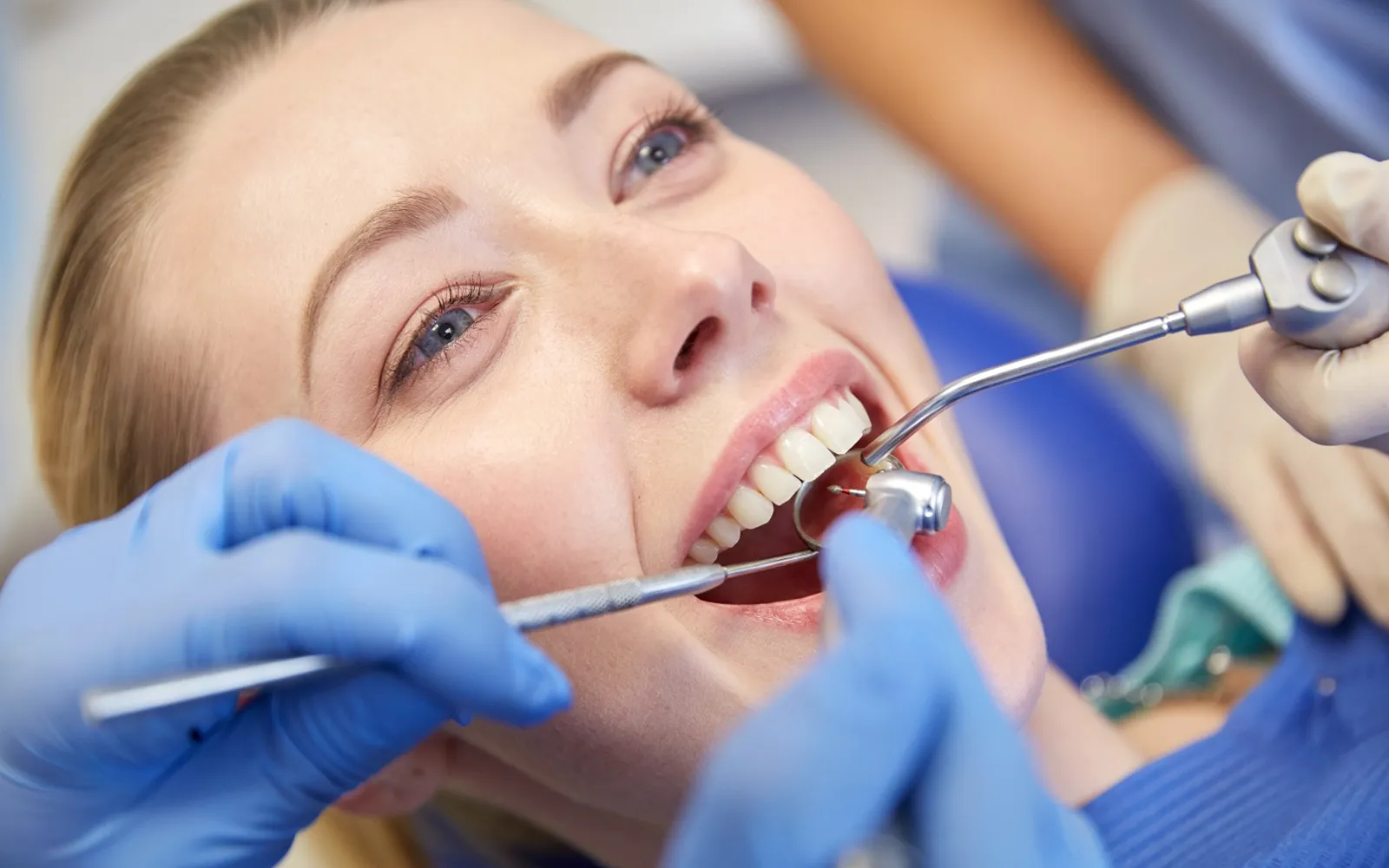
Tooth pain without a cavity can still signal an underlying issue that requires treatment. Cracks, infection, gum problems, bite stress, or nerve inflammation are often difficult to identify without a clinical examination and imaging.
Early diagnosis can prevent minor problems from becoming more complex and costly later on.
Modern dental assessments may include:
- Digital X-rays
- Bite analysis
- Gum health evaluation
- Sensitivity testing
- Crack detection
- Assessment of surrounding muscles and joints
The goal is not simply to stop the pain temporarily, but to identify the true source of the discomfort and protect the long-term health of the tooth.
Listen to your warning signs
Pain is rarely random. Even when there is no cavity, tooth discomfort usually indicates that something within the tooth, gums, bite, or surrounding anatomy is under stress.
Ignoring the symptoms may allow the underlying problem to progress quietly.
Regular dental examinations, consistent oral hygiene, and early attention to unusual sensitivity all play an important role in protecting your teeth long term. If a tooth has been bothering you, even intermittently, a professional assessment can provide clarity, reassurance, and the right treatment before the issue becomes more serious.
* Any clinical procedures carry risks. This information is general in nature and not intended as a substitute for professional advice, diagnosis, or treatment. Outcomes vary between individuals. Consult a qualified dental professional or seek a second opinion if needed.


