Seeing a dentist after too long away
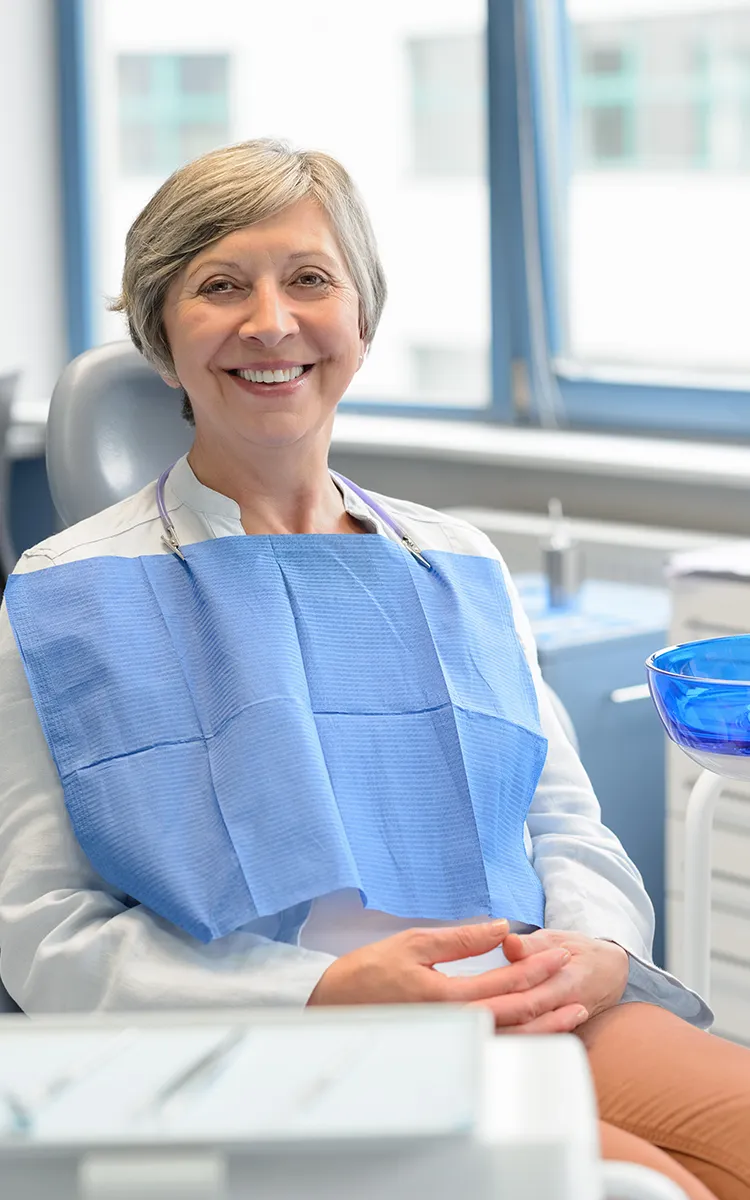
If it’s been years since you last saw a dentist, you’re far from alone.
Life gets in the way. Work gets busy, families grow, budgets tighten and other health concerns take priority. A missed dental visit becomes another, and before you know it, a few months have turned into a few years.
Then there’s the guilt. The longer you leave it, the harder going back can feel. You might worry about what the dentist will find, what treatment you’ll need, or simply what they’ll think when you tell them how long it’s been.
These concerns are exceedingly common.
According to the Australian Bureau of Statistics’ Patient Experience Survey 2023–24, almost three in ten Australians who needed dental care delayed or did not see a dental professional when needed during the previous 12 months. Cost was a significant barrier, alongside factors such as time pressures, waiting times and access to services.
The figures show that putting off dental care is far from unusual, and can happen for many different reasons.
A good dental team understands this. Their role is not to criticise your past decisions but to help you move forward. Every day, dentists care for patients who are returning after many years away. The focus is always on understanding your current oral health and creating a plan that suits your needs, comfort and circumstances.
If you’ve been thinking about booking an appointment but feel uncertain about what to expect, this guide explains how to make that first visit as comfortable and stress-free as possible.
Why do people avoid the dentist for so long?
There is rarely just one reason.
For some people, life becomes busier and routine check-ups fall away. Others have had an unpleasant dental experience in the past, making them anxious about returning. Financial pressures, raising a family, medical conditions, relocating, or embarrassment about the condition of their teeth can all contribute.
Many people also believe they should wait until something hurts before making an appointment. Unfortunately, many dental conditions develop gradually and may not cause noticeable symptoms until they become more advanced.
Over time, postponing a visit can create a cycle that becomes increasingly difficult to break. The longer someone waits, the more daunting it can feel to book an appointment.
The reassuring news is that dental professionals understand these challenges. Returning after a long break is far more common than most people think.

What can happen if you skip regular dental visits?
Your mouth changes gradually over time, often without obvious warning signs.
Routine dental examinations are designed to detect problems early, when they are often simpler to manage.
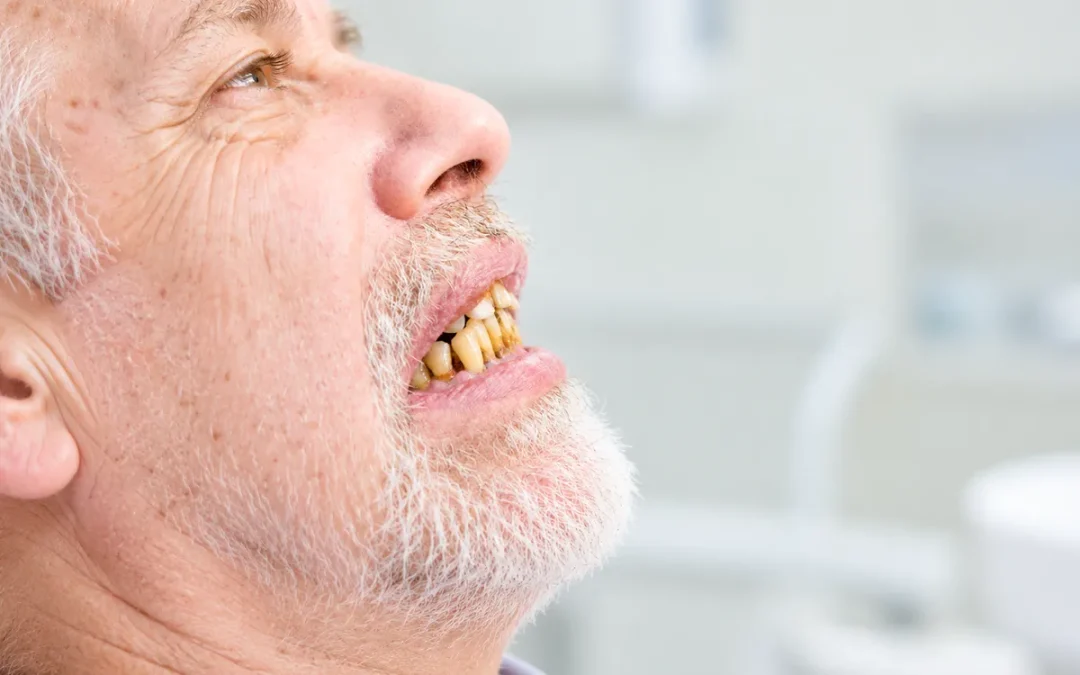
Depending on your individual oral health, a longer gap between dental visits may allow issues such as:
- Tooth decay that develops without pain
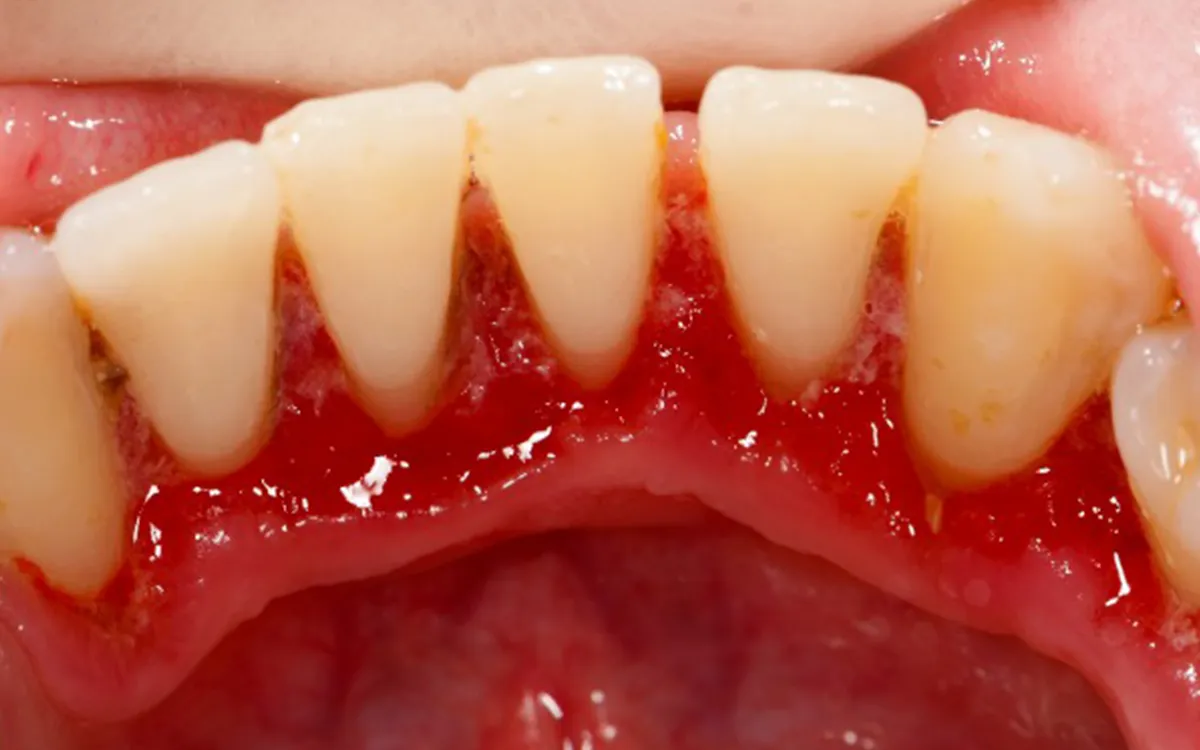
- Gum inflammation that may progress into gum disease
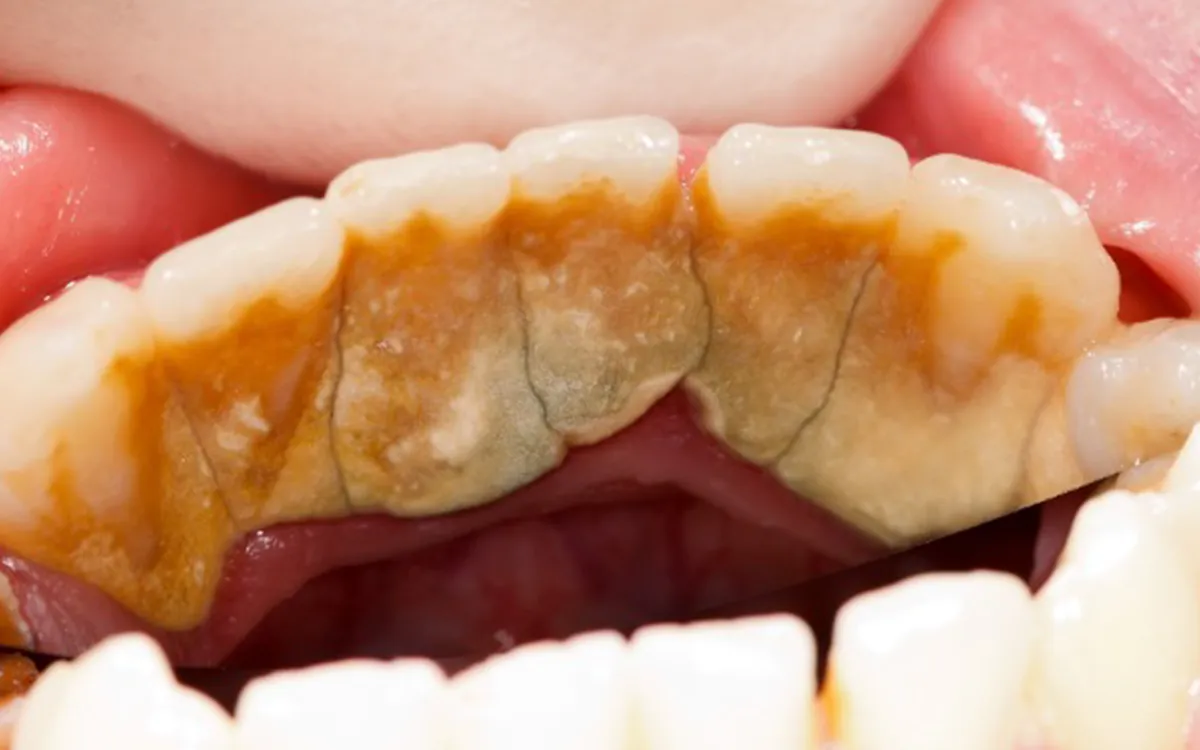
- Hardened plaque (calculus) that cannot be removed with brushing alone
- Worn, cracked or chipped teeth
- Broken fillings or crowns
- Persistent bad breath caused by bacteria below the gumline
- Signs of teeth grinding or clenching
- Changes to the soft tissues of the mouth that deserve professional assessment
Many people are surprised to learn that serious dental problems do not always cause discomfort in their early stages.
Fortunately, identifying concerns, even after several years, allows your dentist to explain your options and help prevent them from becoming more complex.
It is never too late to start again
One of the biggest misconceptions is that waiting too long somehow makes returning impossible.
It doesn’t.
Whether you’ve missed a few years or a few decades, your dentist simply begins with where your oral health is today.
There is no perfect time to return. There is only the decision to begin.
Many patients describe feeling an enormous sense of relief after their first appointment. The uncertainty that had built up over months or years is replaced with clear information and a personalised plan.
Knowing what is happening is often much less stressful than imagining the worst.

Simple ways to prepare before your appointment
If you’re feeling nervous, a little preparation can make the experience easier.
There is no need to hide that it’s been a while.
A simple comment such as, “It’s been several years since my last dental visit, and I’m feeling a little nervous,” helps the team understand how best to support you. Many practices are happy to allow additional appointment time so everything can proceed at a comfortable pace.
Write down any symptoms, questions or cosmetic concerns you would like to discuss.
This could include sensitivity, bleeding gums, broken teeth, jaw discomfort or changes you’ve noticed over time.
An up-to-date list of medications, allergies and medical conditions helps your dentist provide care safely and appropriately.
What happens during your first visit back?
One of the biggest sources of anxiety is simply not knowing what to expect.
So, let’s take away some of that uncertainty. While every dental practice does things a little differently, your first visit back will usually go something like this.
There’s no need to dive straight into the dental chair. Your dentist will usually start with a conversation, giving you time to talk through any concerns and let them know how you’re feeling.
You may discuss:
- Your medical history
- Current medications
- Previous dental experiences
- Areas causing discomfort
- Cosmetic goals
- Any worries about treatment
This conversation helps tailor your care to your individual needs.
Next comes a thorough assessment of your teeth, gums and surrounding tissues.
The examination is designed to identify any signs of decay, gum disease, worn teeth, cracked restorations or other concerns.
There is generally no rushing into treatment.
The goal of this visit is understanding your oral health, not fixing everything immediately.
Many dental problems cannot be seen by simply looking inside the mouth.
Digital X-rays provide valuable information about areas beneath fillings, between teeth and around the tooth roots, allowing a more accurate diagnosis.
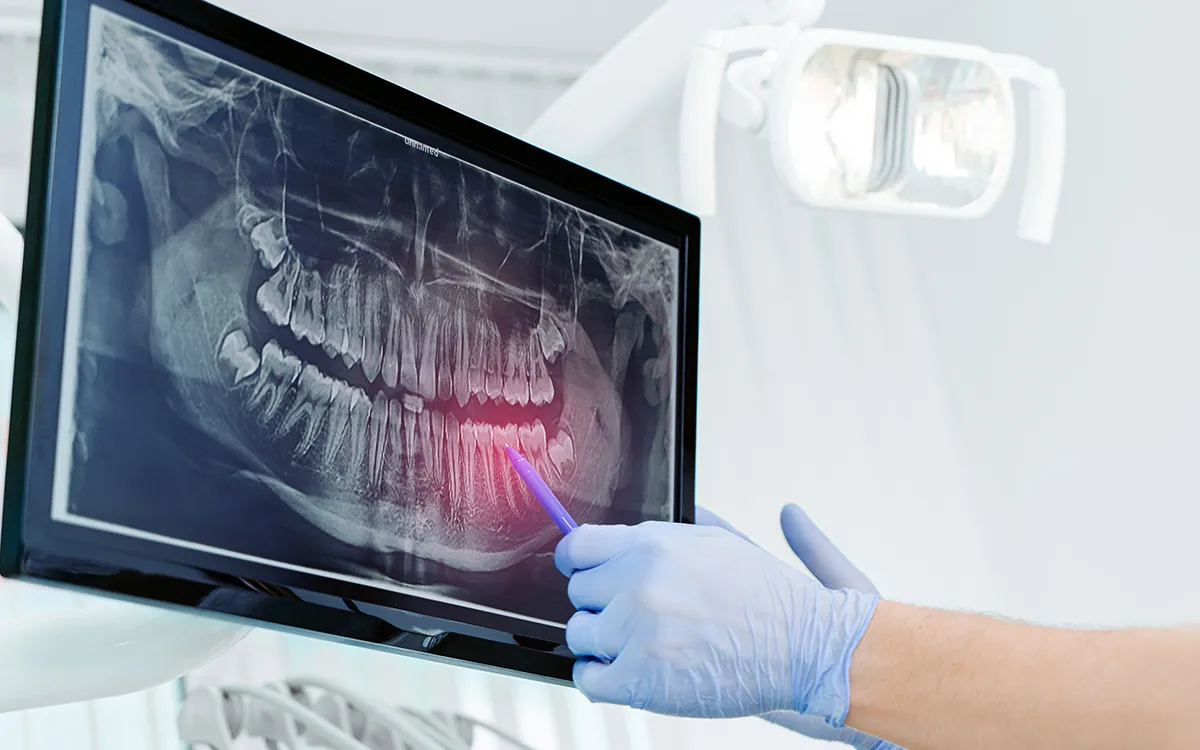
If appropriate, a professional clean may be completed during the same appointment.
Depending on the amount of plaque and calculus present, your dentist or oral health therapist may recommend spreading treatment across more than one visit to keep you comfortable.
If treatment is needed, your dentist will explain:
- what has been found
- which concerns are the highest priority
- the available treatment options
- estimated costs
- expected timeframes
This creates a clear roadmap without making the process feel overwhelming.
Remember, treatment doesn’t have to happen all at once
Many patients worry they will leave their first appointment with a long list of procedures that must all be completed immediately.
That is rarely the case.
Dentists usually prioritise treatment based on urgency.
For example, relieving pain or treating active infection comes before replacing old fillings for cosmetic reasons. Preventive care and stabilising gum health often become the first priority before more complex treatment is considered.
Breaking treatment into manageable stages allows patients to spread appointments over time and make informed decisions that suit both their health and budget.

Remember, you’re always in control
Modern dentistry places great importance on patient communication.
You can ask questions, request explanations or pause treatment whenever you need to.
Many patients find reassurance in agreeing on a simple hand signal before treatment begins, allowing them to indicate if they would like a short break.
Feeling informed and involved can make a significant difference to your overall experience.
Practical ways to make your visit more comfortable
Small adjustments can make a significant difference if you’re feeling nervous.
You might consider:
- Listening to your favourite playlist or podcast through headphones.
- Scheduling your appointment earlier in the day to avoid worrying about it for hours.
- Bringing a trusted family member or friend for support.
- Asking whether the practice offers comfort measures or sedation options for suitable patients.
- Practising slow, controlled breathing before and during your visit.
Sharing your concerns with your dental team is often the most valuable step of all. The more they understand how you’re feeling, the better they can support you.

Looking after your smile between appointments
Returning to the dentist is only the beginning.
Daily oral hygiene plays a major role in protecting your teeth and reducing the likelihood of future treatment.
Simple habits make a lasting difference, including:
- Brushing twice each day with fluoride toothpaste.
- Cleaning between your teeth using floss or interdental brushes.
- Limiting sugary foods and drinks between meals.
- Drinking plenty of water.
- Attending regular dental examinations based on your dentist’s recommendations.
These small, consistent routines help prevent problems before they become more serious and support long-term oral health.
A fresh start for your smile
Returning to the dentist after years away can feel like a significant step. For many people, it is also the beginning of renewed confidence in their oral health.
There is no benefit in focusing on how long it has been since your last appointment. What matters is deciding to move forward.
A comprehensive dental examination provides a clear understanding of your oral health today and allows you and your dentist to develop a personalised plan that suits your needs, priorities and circumstances. Whether you require only a routine clean or more comprehensive treatment, every journey begins with that first appointment.
Combined with good daily oral hygiene and regular preventive care, routine dental visits can help protect your teeth, gums and overall oral health for years to come.
If it’s been a while since your last visit, consider this your opportunity for a fresh start. Your dentist isn’t there to judge where you’ve been; they’re there to help you look after where your smile goes next.