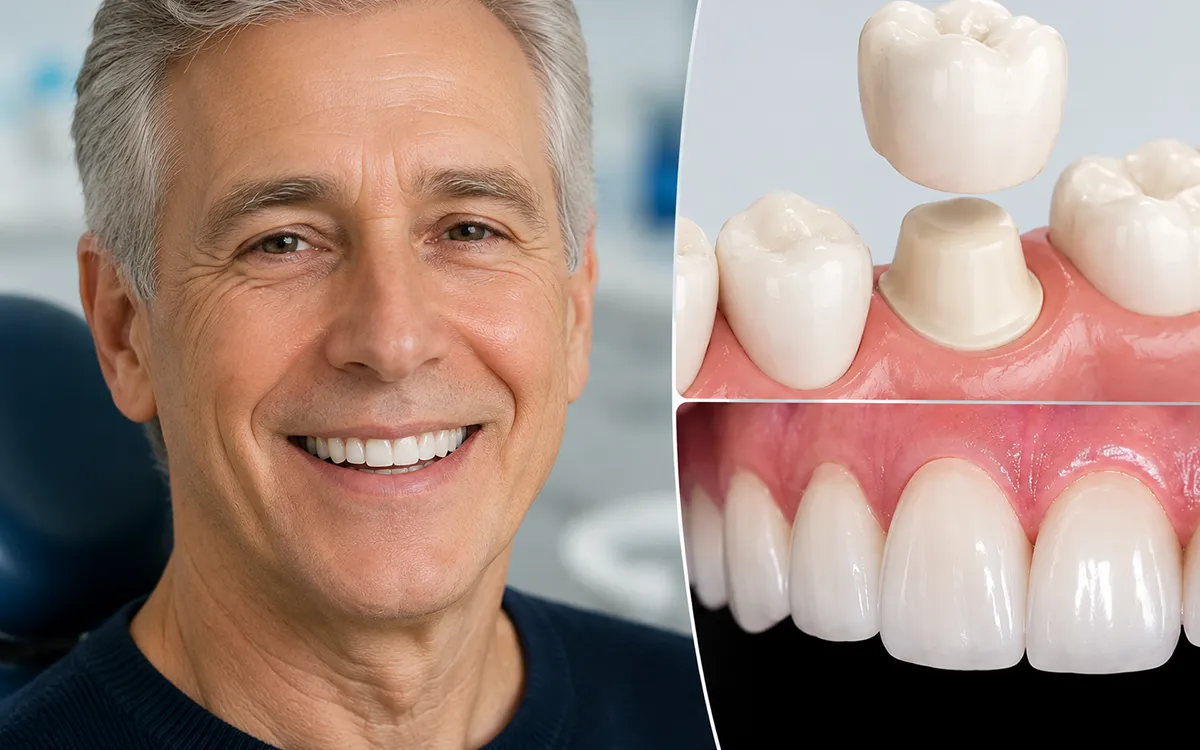
The impeccable realism of modern porcelain crowns
Have you ever noticed a friend laugh and caught a glimpse of a faint grey line near the gumline? Or seen a crown that looked slightly too opaque beside natural teeth?
For many years, that was the compromise. Strength came first. Aesthetics followed at a distance.
That era of practical functionality trumping aesthetics is over. Now, you truly can have both.
Today’s porcelain crowns are remarkably lifelike. Advances in digital imaging, ceramic science, and precision manufacturing have transformed dental restorations into restorations that blend seamlessly. Modern crowns are designed to mimic the translucency, depth, and subtle colour variations of natural enamel. The result is not simply a repaired tooth, but one that looks convincingly real.
What is a porcelain crown?
A porcelain crown is a custom-made “cap” placed over a damaged or weakened tooth. It restores:
- Shape
- Strength
- Function
- Appearance
Crowns are commonly recommended for teeth that are heavily filled, cracked, root canal treated, worn down, or cosmetically compromised. When crafted from high-quality ceramic, they do far more than protect the tooth. They restore harmony to the smile.
What are modern porcelain crowns made of?
Today’s porcelain crowns are typically fabricated from advanced dental ceramics such as:
- Lithium disilicate
- High-translucency zirconia
- Layered ceramic systems
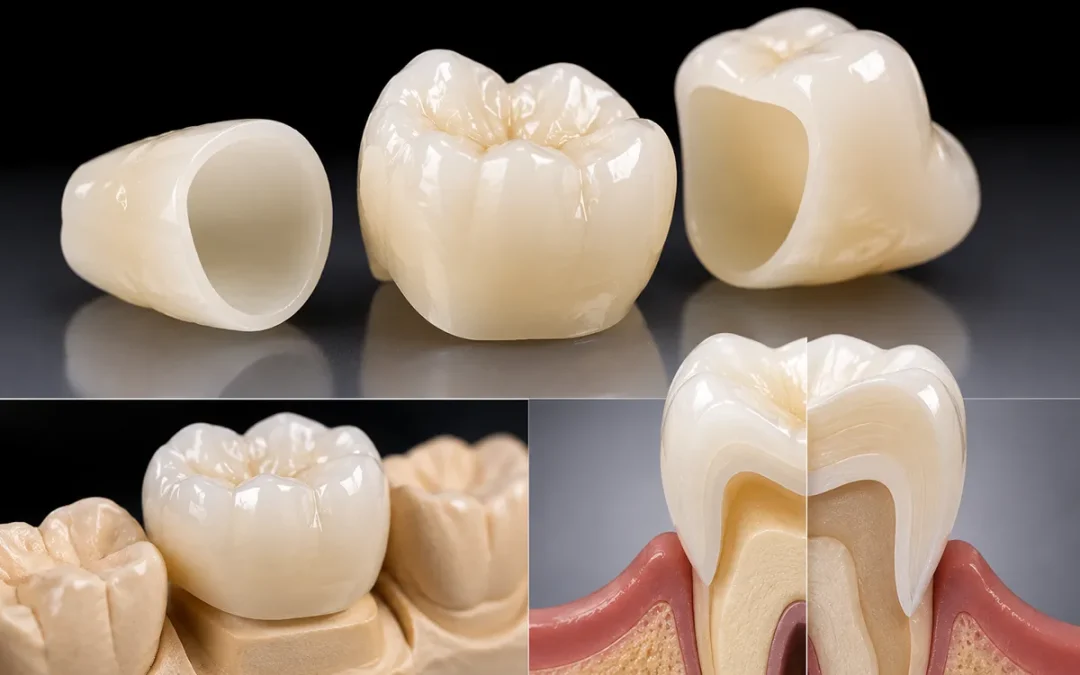
These materials are engineered to replicate the optical properties of enamel and dentine. Natural teeth are not solid white. They contain layers, translucency, and subtle internal character. Modern ceramics allow dental technicians to recreate that complexity with precision.
Zirconia, once known primarily for strength, is now available in multi-layered, high-translucency versions. Lithium disilicate offers exceptional aesthetics for front teeth where light transmission matters most. The material choice depends on the location of the tooth, bite forces, and cosmetic goals.
Porcelain vs composite
Composite resin is commonly used for fillings and minor cosmetic bonding. It is versatile and conservative, yet it differs significantly from porcelain.
Highly stain-resistant
Maintain colour stability over time
Strong and durable
More resistant to wear
Suitable for small repairs
More affordable in the short term
May stain or dull over time
Less durable for large restorations
Porcelain is typically preferred when long-term strength and lifelike aesthetics are priorities.
How modern porcelain crowns are made
The process has evolved dramatically.
High-definition intraoral scanners increasingly replace traditional impressions. These create precise 3D digital models of the teeth.
Software allows clinicians to plan shape, contour, and alignment in harmony with facial features and bite dynamics.
Computer-aided design and manufacturing systems mill crowns from solid ceramic blocks with microscopic accuracy.
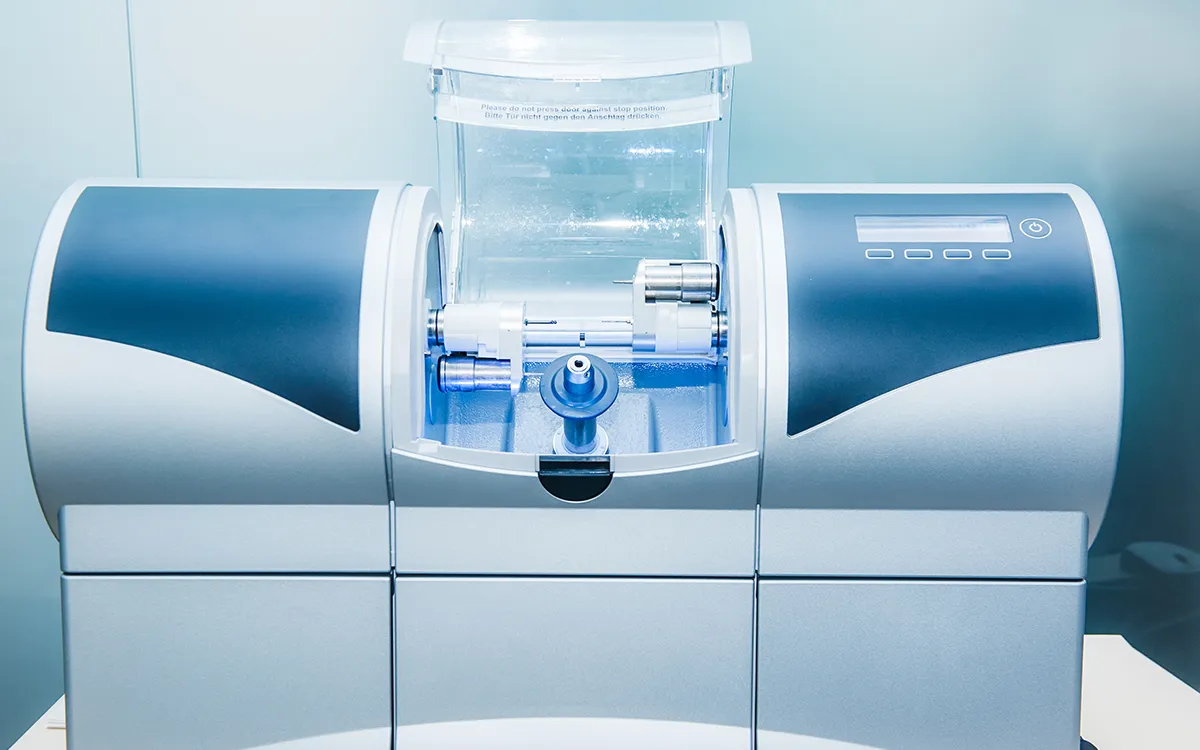
In aesthetic cases, skilled technicians add subtle surface textures and tonal variations. This step gives the crown vitality and realism.
Modern adhesive techniques secure the crown while reinforcing the remaining tooth structure.
Each stage is measured and controlled. The margin fit is tighter. The contours are refined. The final result integrates naturally with surrounding teeth.
Why they look so natural now
Several factors contribute to the realism of contemporary porcelain crowns:
- Improved translucency that mimics enamel
- Multi-layered ceramics that replicate internal tooth structure
- Digital precision for seamless margins
- Advanced shading systems for exact colour matching
- Surface texturing that reflects light like a natural tooth
Natural teeth are not uniform. They have incisal translucency, faint craze lines, and subtle gradations in shade. Modern ceramics can reproduce these details with remarkable accuracy.
Strength without sacrificing beauty
Earlier cosmetic crowns were sometimes perceived as fragile. Today’s materials are engineered for both durability and aesthetics.
High-strength ceramics can withstand significant bite forces, making them suitable not only for front teeth but also for molars. When properly designed and bonded, they offer reliable long-term performance.
Function and beauty are no longer opposing goals. They work together.
Caring for porcelain crowns
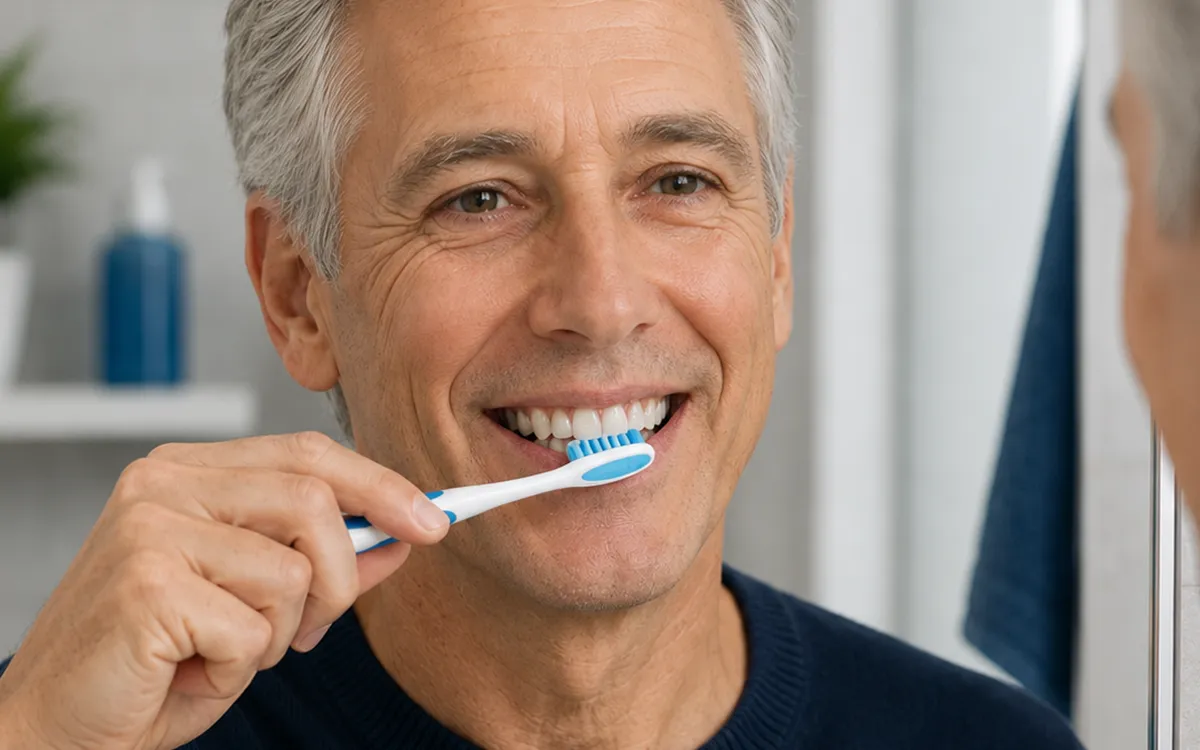
Porcelain crowns do not decay, but the underlying tooth structure can. Good oral hygiene remains essential.
Care includes:
- Brushing twice daily with fluoride toothpaste
- Daily flossing to protect the gumline
- Regular professional cleans
- Avoiding excessive grinding or clenching
Patients who grind their teeth may benefit from a custom night guard to protect both natural teeth and restorations.
With proper care, porcelain crowns can serve comfortably for many years.
Are porcelain crowns right for you?
Porcelain crowns are often recommended when a tooth requires full coverage for structural or cosmetic reasons. They are particularly suited for patients who:
- Want a natural, seamless appearance
- Have heavily restored or weakened teeth
- Seek a long-term solution
A comprehensive assessment is essential. Bite alignment, gum health, and overall oral condition all influence treatment planning.
Restore confidence, preserve health
A great crown should harmoniously disappear into your smile, not announce itself to the room. It allows you to laugh freely and speak without self-consciousness.
Modern porcelain crowns reflect the direction of modern dentistry: minimally invasive, digitally precise, and biologically respectful.
If you are looking into getting a crown, an early consultation allows for careful planning and conservative treatment. Preventive care remains the foundation. Regular check-ups, diligent hygiene, and timely intervention reduce the need for extensive procedures.
When restoration is necessary, today’s porcelain crowns offer something previous generations could not achieve: strength that looks and feels completely natural.
That is progress worth knowing about.