Six bite misalignments modern orthodontics can correct
Your teeth don’t have to be crooked to have a bite problem. Even subtle misalignments can affect how your upper and lower teeth meet, influencing the way you bite, chew and speak.
Over time, certain alignment issues can contribute to uneven tooth wear, place additional pressure on individual teeth or make brushing and flossing more difficult.
While some concerns are primarily cosmetic, others can affect oral function and long-term dental health. Fortunately, modern orthodontics offers a range of treatments to improve both the appearance and function of your smile.
Here are six common bite misalignments and how orthodontic treatment can help correct them.
What bite alignment means for oral health
A healthy bite allows your upper and lower teeth to come together in a balanced way. When teeth are significantly crowded, spaced, rotated or positioned incorrectly, some teeth may experience more pressure than others.
Misalignment can also make certain areas difficult to clean. Overlapping teeth and tight spaces can trap plaque and food, potentially increasing the risk of tooth decay and gum problems.
Not every imperfectly positioned tooth requires treatment. An orthodontic assessment looks at the relationship between your teeth and jaws, how they function together and your overall oral health before determining whether treatment would be beneficial.
1. Crowded teeth
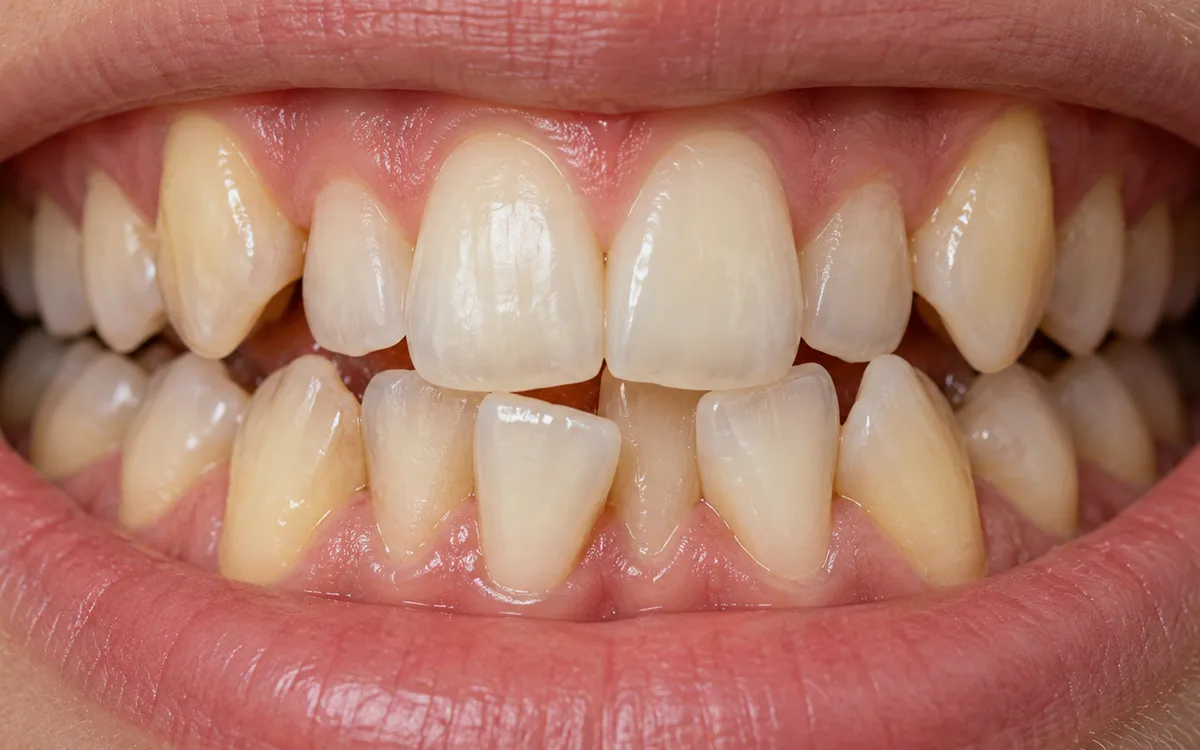
Crowding occurs when there is not enough space for teeth to sit comfortably within the dental arch. Teeth may overlap, twist, rotate or sit further forward or backwards than they should.
Crowding is one of the most common orthodontic concerns and can affect both children and adults. Beyond appearance, it can make brushing and flossing more difficult, particularly where teeth overlap closely. These areas can become plaque traps, increasing the risk of tooth decay and gum inflammation.
Crowding can also affect how the teeth meet and distribute biting forces.
How can it be corrected? Depending on the severity and the patient’s age, treatment may include clear aligners, fixed braces or, in some growing children, an expander to create additional space. The appropriate approach depends on whether the concern involves tooth position, jaw development or both.
2. Gaps and spacing
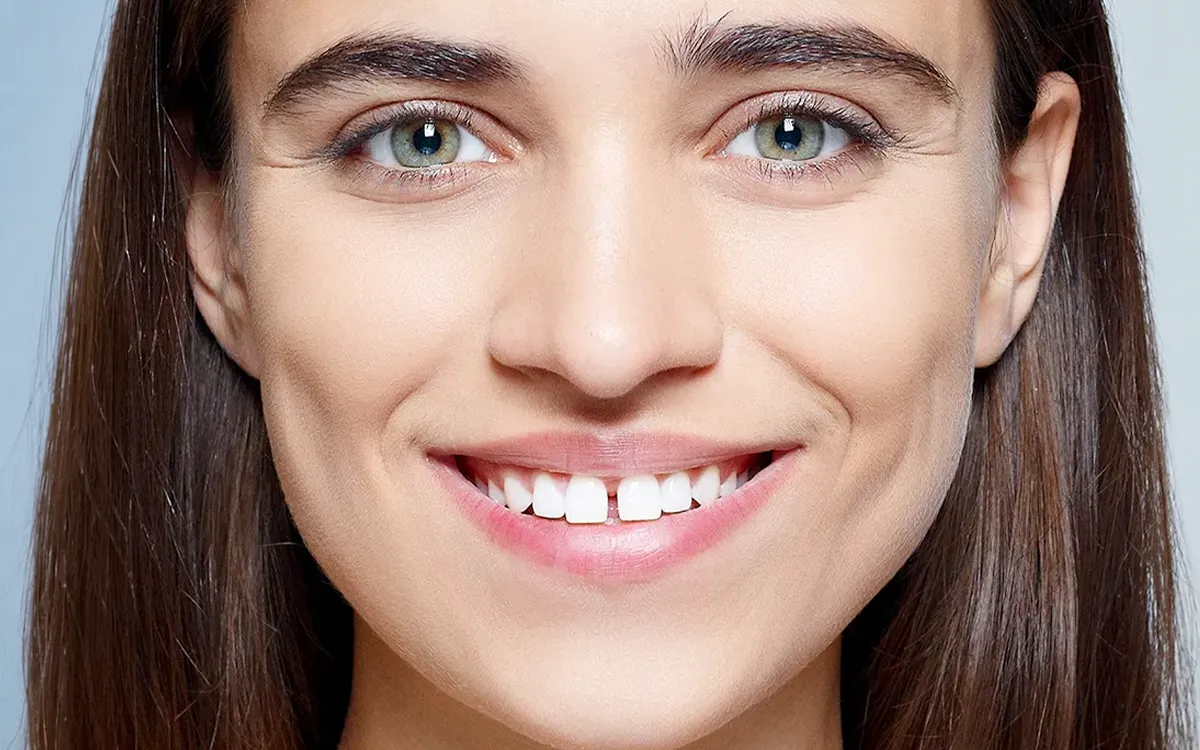
Spacing occurs when there is more room between the teeth than expected, creating visible gaps. A small gap between the front teeth can simply be a natural feature of someone’s smile. More widespread spacing may be associated with missing teeth, differences in tooth and jaw size or other alignment concerns.
Larger spaces can sometimes allow food to become trapped between the teeth and may affect how the teeth come together. If a gap is related to a missing tooth or another underlying dental concern, addressing the cause is an important part of treatment planning.
How can it be corrected? Clear aligners and fixed braces can gradually move appropriately positioned teeth closer together. For small cosmetic gaps, composite bonding or veneers may sometimes be considered instead. These treatments change the appearance of the teeth rather than moving them, so they are not suitable for every case.
3. Deep overbite
A small amount of vertical overlap between the upper and lower front teeth is normal. A deep overbite occurs when the upper front teeth overlap the lower teeth excessively.
In more pronounced cases, the lower teeth may come into contact with the gum behind the upper teeth or the roof of the mouth. Excessive overlap can place additional stress on certain teeth and contribute to uneven enamel wear. In some cases, it can also cause soft tissue irritation.
How can it be corrected? Treatment aims to improve the vertical relationship between the upper and lower teeth. Depending on the individual case, an orthodontist may use clear aligners, fixed braces, elastics, bite ramps or other appliances to gradually change how the teeth meet.
The cause of the deep bite matters. Treatment may need to address tooth position, jaw development or a combination of both.
4. Underbite
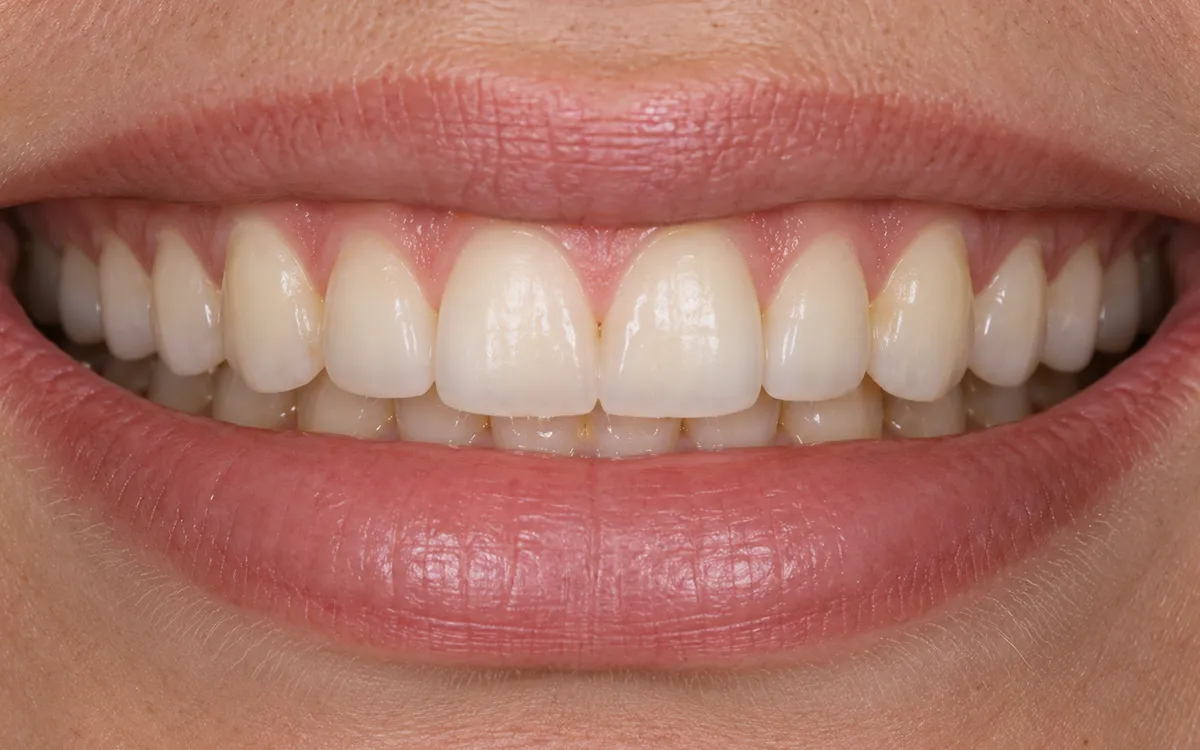
An underbite occurs when the lower front teeth sit in front of the upper front teeth when the mouth is closed. It can result from the position of the teeth, differences in jaw growth or a combination of both.
An underbite can affect the way you bite and chew, while certain teeth may experience increased pressure and wear. More pronounced cases can also affect facial balance.
For children who are still growing, early assessment can be useful when an underbite is developing. Growth can sometimes be guided during development, although not every case can be corrected through orthodontics alone.
How can it be corrected? Braces or clear aligners may be suitable when the concern is primarily related to tooth position. Growing children may benefit from specific orthodontic appliances, while adults with a significant underlying jaw discrepancy may require orthodontics combined with jaw surgery.
An assessment is important to determine whether the underbite is primarily dental, skeletal or both.
5. Crossbite
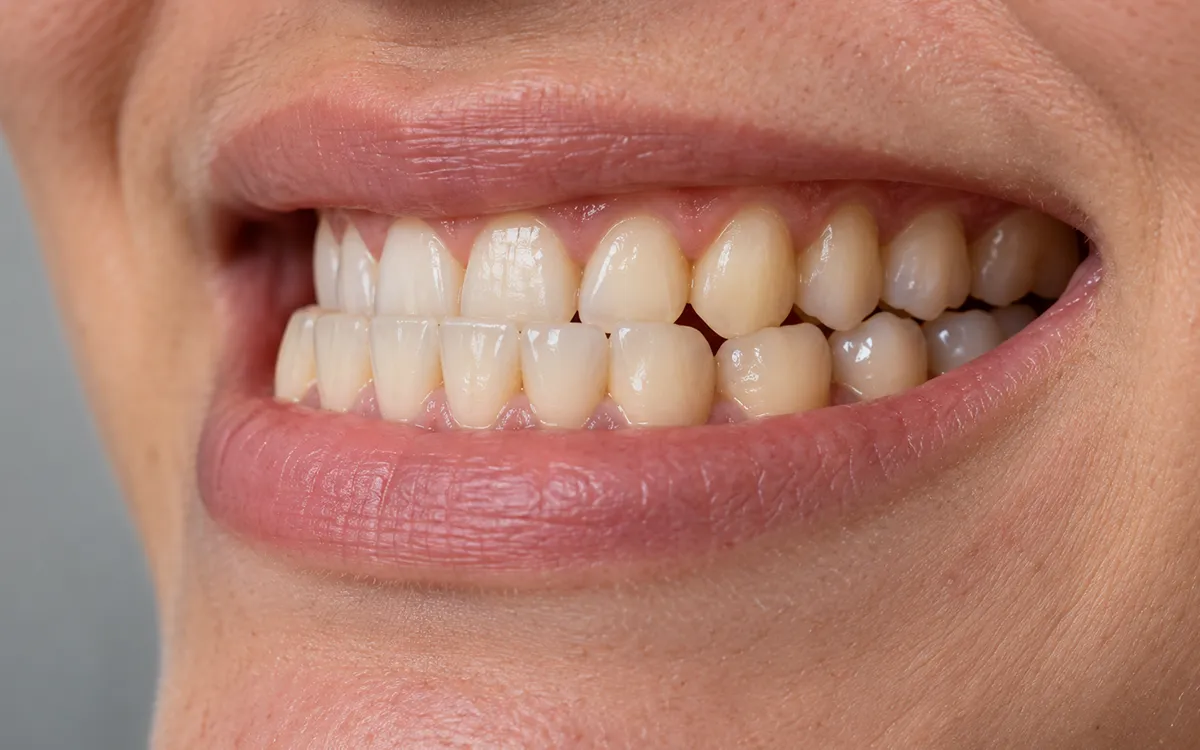
A crossbite occurs when one or more upper teeth bite inside the corresponding lower teeth rather than sitting slightly outside them.
It can affect the front teeth, back teeth or both. A crossbite may cause the jaw to shift when biting and, in some cases, contribute to uneven tooth wear or gum problems. In growing children, certain crossbites may also influence how the jaws develop.
This makes early assessment particularly useful when a child’s bite appears unusual.
How can it be corrected? Treatment depends on whether the problem is caused by tooth position, jaw width or both. Palatal expanders may be recommended for some growing patients with a narrow upper jaw. Braces or clear aligners may be appropriate when tooth movement is the primary concern.
The earlier a developing crossbite is identified, the more options there may be for managing it during growth.
6. Open bite
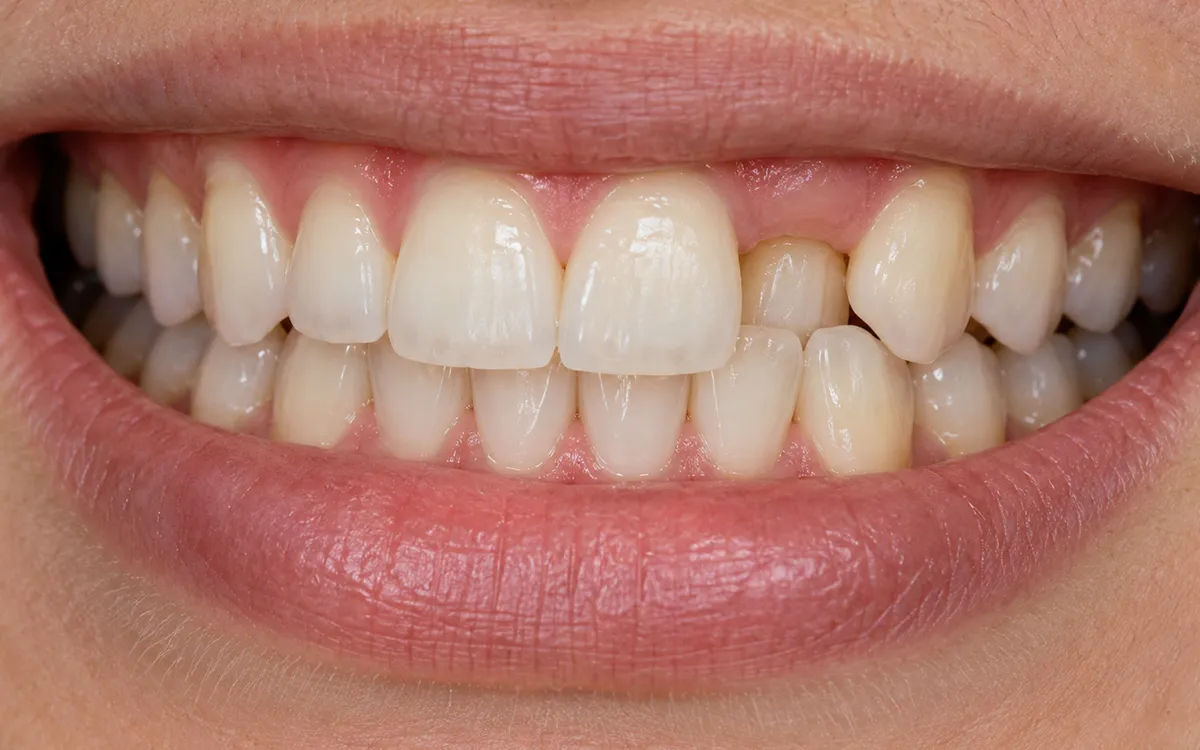
An open bite occurs when certain upper and lower teeth do not touch when the mouth is closed. An anterior open bite affects the front teeth, while a posterior open bite affects the back teeth.
An open bite can make it difficult to bite into foods such as apples or sandwiches. Some people may also experience speech difficulties. In children, prolonged oral habits such as thumb sucking or certain tongue-positioning patterns can contribute to the development or persistence of an open bite.
How can it be corrected? Treatment depends on the underlying cause. For younger children, addressing an oral habit may be an important part of treatment, sometimes with a habit-breaking appliance. Braces or clear aligners, sometimes combined with elastics or other orthodontic techniques, can help improve the relationship between the teeth.
More complex cases may require a closer assessment of jaw structure and other contributing factors.
Modern orthodontics means better choices
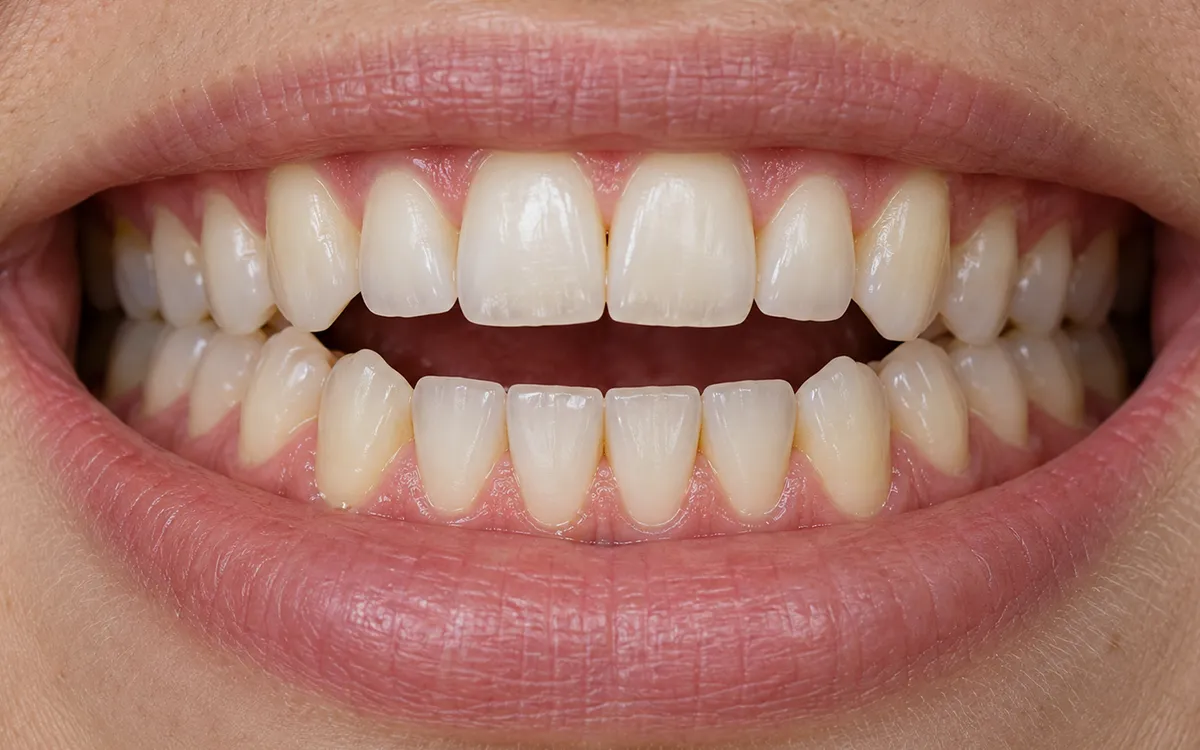
Orthodontic treatment has come a long way from the traditional metal braces many people remember.
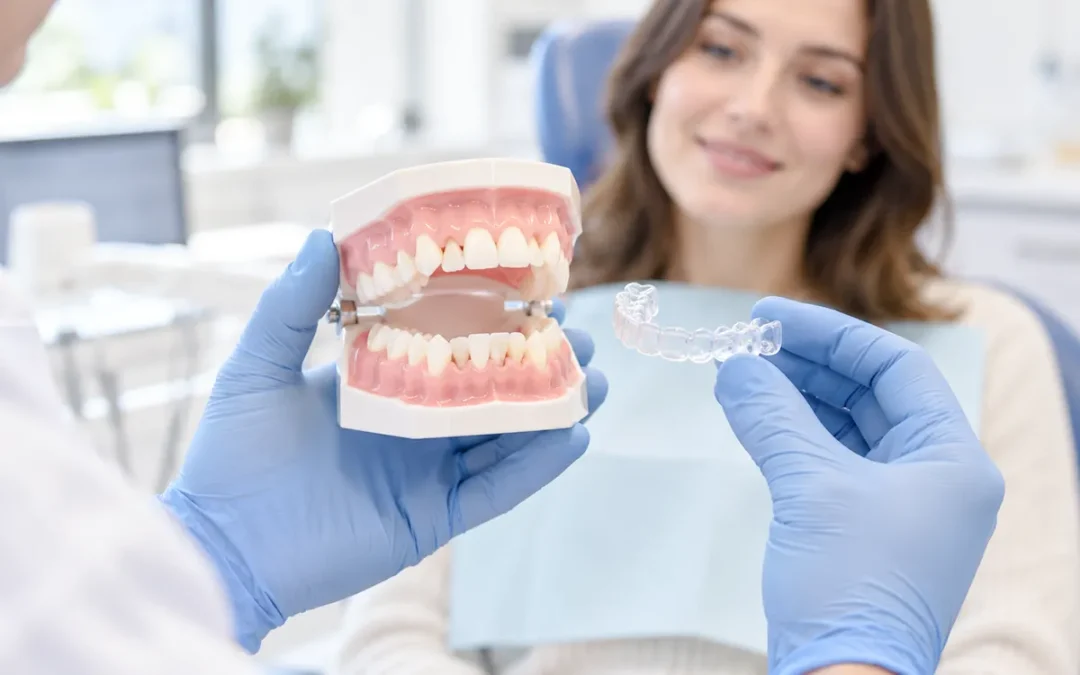
Clear aligners use a series of custom-made removable trays to gradually move teeth. They can provide a discreet option for many alignment concerns and can be removed for eating, brushing and flossing.
Fixed braces remain highly effective and offer precise control over tooth movement. Modern systems can be smaller and more discreet, with ceramic or tooth-coloured brackets available for patients who prefer a less noticeable appearance.
Some patients may also need elastics, expanders, bite ramps or other specialised appliances to address particular bite concerns.
With so many options available, the key is finding the treatment best suited to your individual needs. Your dentist or orthodontist will consider the type and severity of your misalignment, your age, oral health, lifestyle and treatment goals to recommend the most appropriate approach.

Not every alignment issue needs treatment
Having teeth that are not perfectly straight does not automatically mean you need orthodontic treatment.
Some gaps, rotations or minor irregularities have little effect on oral function or health. Other concerns may look relatively subtle but have a significant effect on how the teeth meet.
An orthodontic assessment considers more than the appearance of your smile. It looks at tooth position, jaw relationships, bite function and the condition of your teeth and gums.
This helps ensure treatment is recommended for the right reasons and that the chosen approach is appropriate for your individual needs.
A healthier smile for the long haul
A great smile isn’t just about how your teeth look. It’s also about how comfortably and effectively they work together. By correcting problematic bite relationships, orthodontic treatment can help improve everyday functions such as biting and chewing, while making your teeth easier to care for.
Of course, keeping your smile in great shape takes more than orthodontic treatment alone. Regular dental check-ups, professional cleans when recommended, and good brushing and flossing habits all help protect your results and maintain healthy teeth and gums.
If you’ve noticed crowded teeth, persistent gaps, an uneven bite or difficulty chewing, a dental or orthodontic assessment can help you explore your options and find out whether treatment could benefit you.
After all, the best smiles don’t just look great. They work beautifully, too.