

Modern ways to replace missing teeth
Missing a tooth takes away more than your smile. Social interactions may become more awkward when you hesitate to speak up, knowing that others might notice the gap before they hear what you have to say. As time goes by, laughter may feel like a thing of the past, and your favourite foods could end up off the menu. What begins as a small gap can quietly change daily life.
In the past, your options for replacing missing teeth ranged from uncomfortable, removable plates that felt bulky and unstable to invasive treatments that required altering healthy neighbouring teeth. Thankfully, modern dentistry offers more precise, stable, and natural-looking solutions that restore both function and confidence, without compromising your oral health.
We now live in a remarkable era of restorative dentistry, with marvelous new techniques and materials. Today’s treatments are precise, durable, and designed to look and feel natural. Across the range of modern ways to replace a missing tooth, from dental implants to bridges and modern dentures, replacing a missing tooth is no longer a compromise. It is a considered, personalised solution.
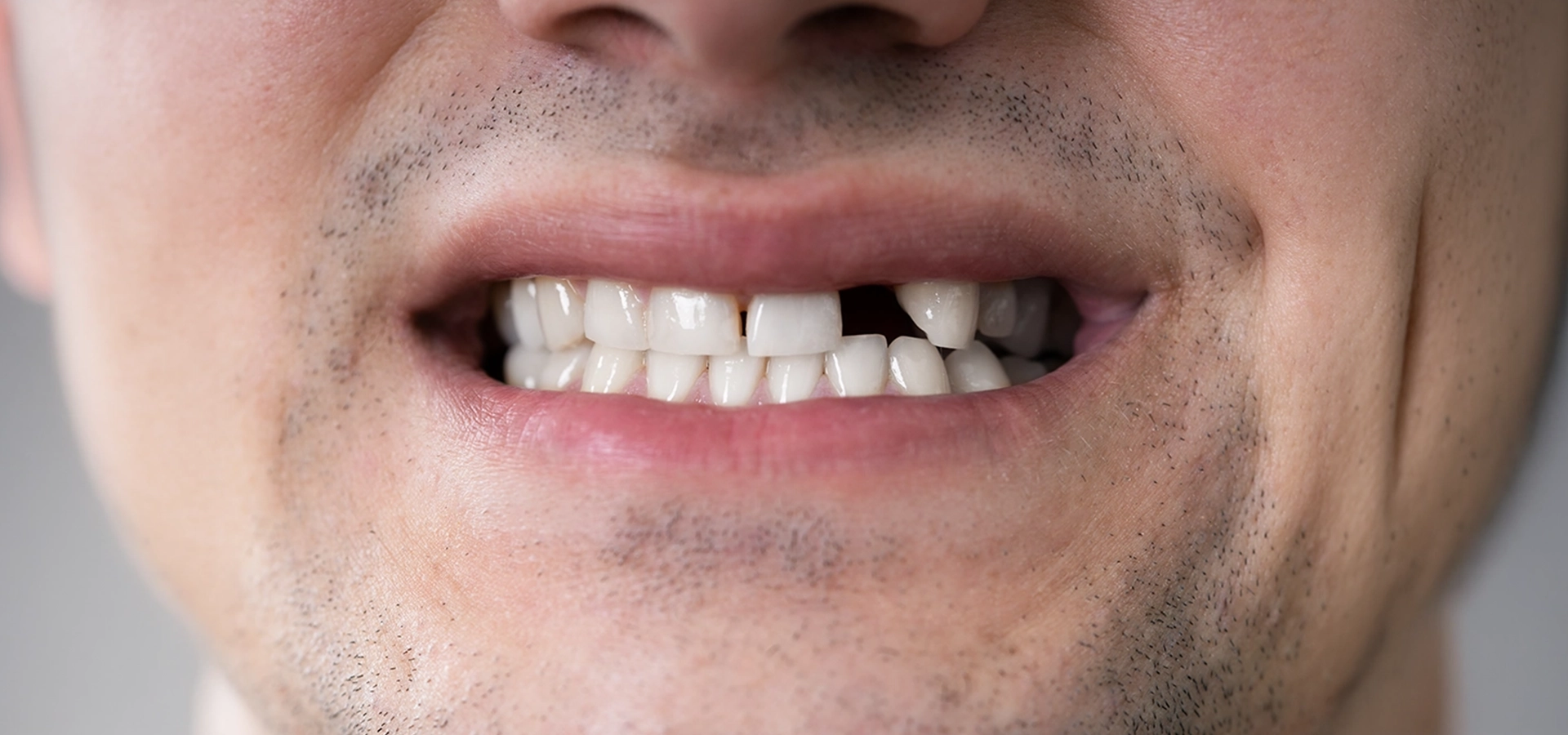
The true impact of a missing tooth
Teeth work as a team. When one is lost, the balance changes.
Function is often the first to be affected. Chewing efficiency reduces, and excess pressure may be placed on surrounding teeth. Over time, neighbouring teeth can drift into the empty space, altering your bite. This can lead to uneven wear, jaw discomfort, or difficulties with speech.
Bone health is another important consideration. The jawbone relies on stimulation from tooth roots. Without it, bone in the area gradually resorbs. This change is not always visible at first, yet it can influence facial structure and long-term oral health.
Replacing a missing tooth is not only cosmetic. It is preventive care for your entire mouth.
Tooth loss is closer to home than you think
Tooth loss is more common than you may realise, and it tends to increase with age. National data from 2017–2018 shows that young adults aged 15–24 were already missing an average of 2.5 teeth, those aged 25–44 had lost 3.3, adults 45–64 were missing 6.9, and Australians over 65 had lost an average of 13.7 teeth. Across all adults aged 18 and above, the national average sat at 6.4 missing teeth.
These numbers remind us that tooth loss is not unusual, yet it is not something to ignore. Consistent check-ups and good daily habits go a long way in protecting your natural teeth. When a tooth is lost, addressing it early helps maintain bone strength, keep your bite balanced, and support long-term oral health.
Dental implants
Dental implants are widely regarded as the most comprehensive solution for replacing missing teeth.
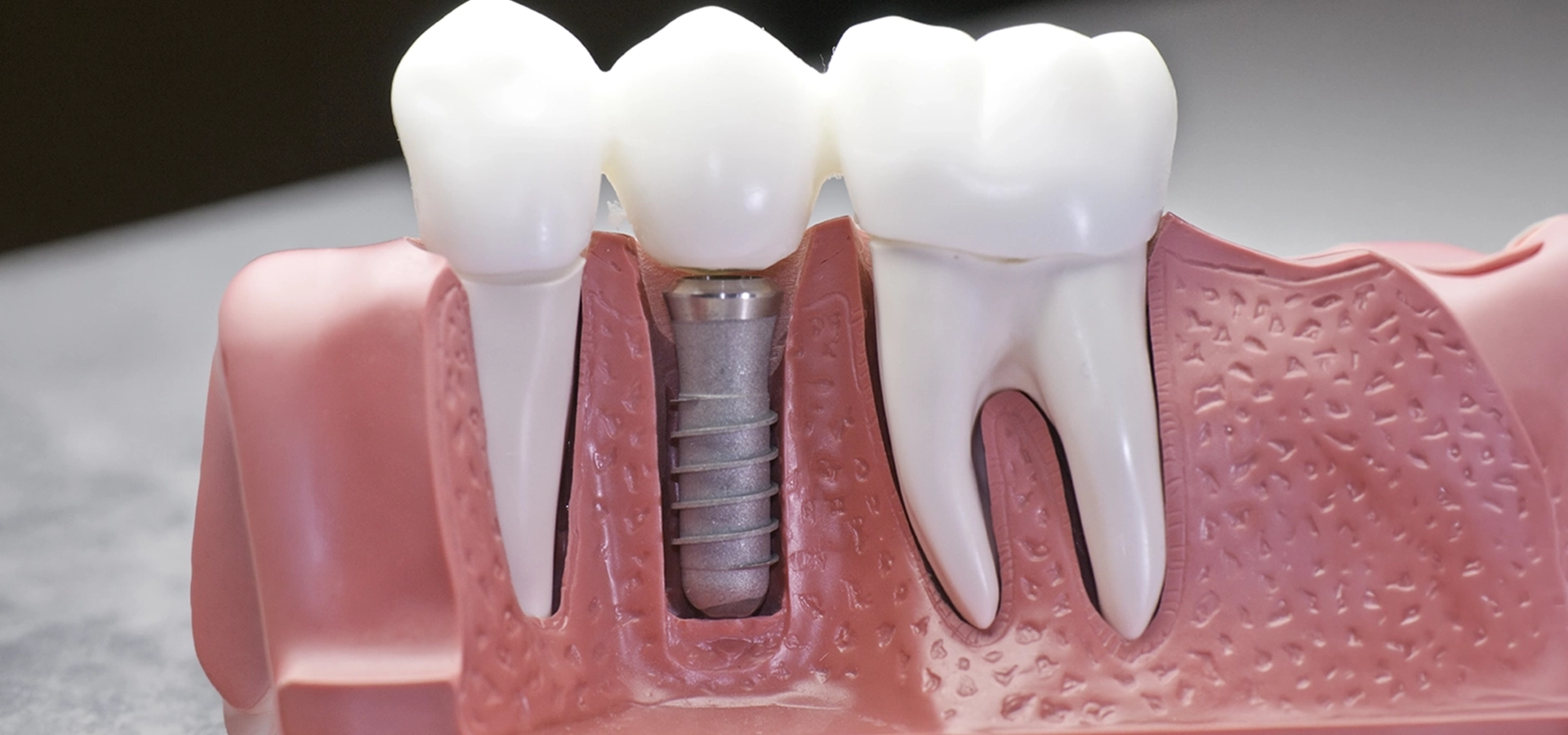
An implant is a small titanium post placed into the jawbone, where it integrates naturally with the bone over time. Once healed, it supports a custom-made crown that looks and functions like a natural tooth.
Why implants stand apart:
- Bone preservation – The implant stimulates the jawbone, helping prevent bone loss.
- Longevity – With proper care, implants can last decades.
- Natural appearance and feel – They are designed to blend seamlessly with surrounding teeth.
- No impact on adjacent teeth – Unlike some alternatives, implants do not rely on neighbouring teeth for support.
Implants require healthy bone and gums. A thorough assessment, including imaging, determines suitability. In some cases, bone grafting may be recommended to strengthen the foundation before placement.
For many patients, implants offer the closest experience to having a natural tooth again.
Dental bridges
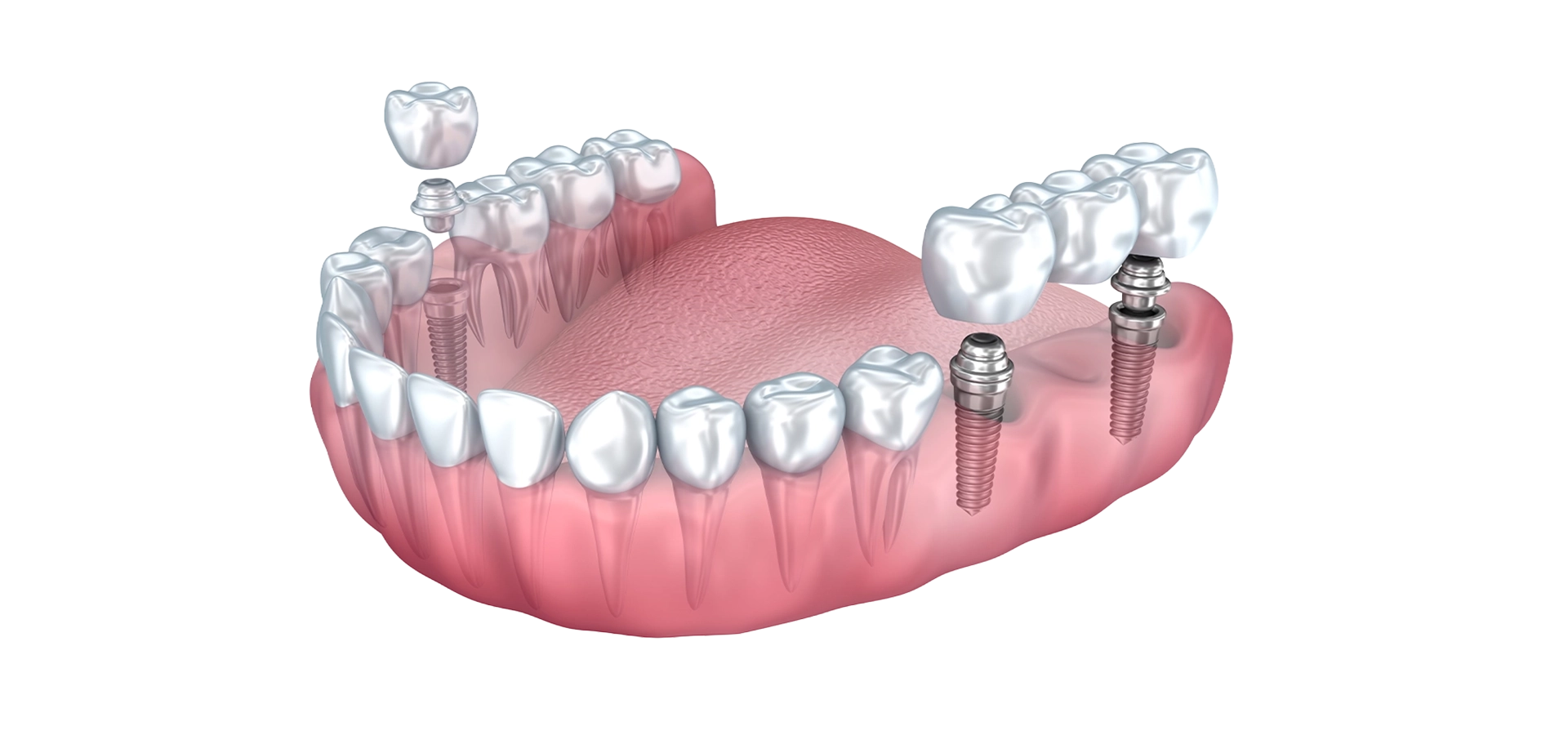
Dental bridges provide a fixed solution when one or more teeth are missing.
A traditional bridge uses the adjacent teeth as anchors. These supporting teeth are carefully prepared to hold crowns, which in turn support the replacement tooth positioned in the gap.
Benefits of bridges:
- Fixed and stable – they do not require removal for cleaning.
- Faster treatment timeline – often completed in a few appointments.
- Reliable function and aesthetics – designed to restore chewing efficiency and appearance.
Bridges are particularly suitable when neighbouring teeth already require crowns or restorations. However, they do involve reshaping adjacent teeth, which is an important consideration during treatment planning.
When thoughtfully designed, a bridge restores both form and function with excellent results.
Modern dentures
Dentures have evolved significantly. Today’s designs are lighter, more precise, and more natural-looking than previous generations.
Partial dentures
Partial dentures replace several missing teeth while preserving the remaining natural teeth. They are custom-fitted and can be removed for cleaning.
Full dentures
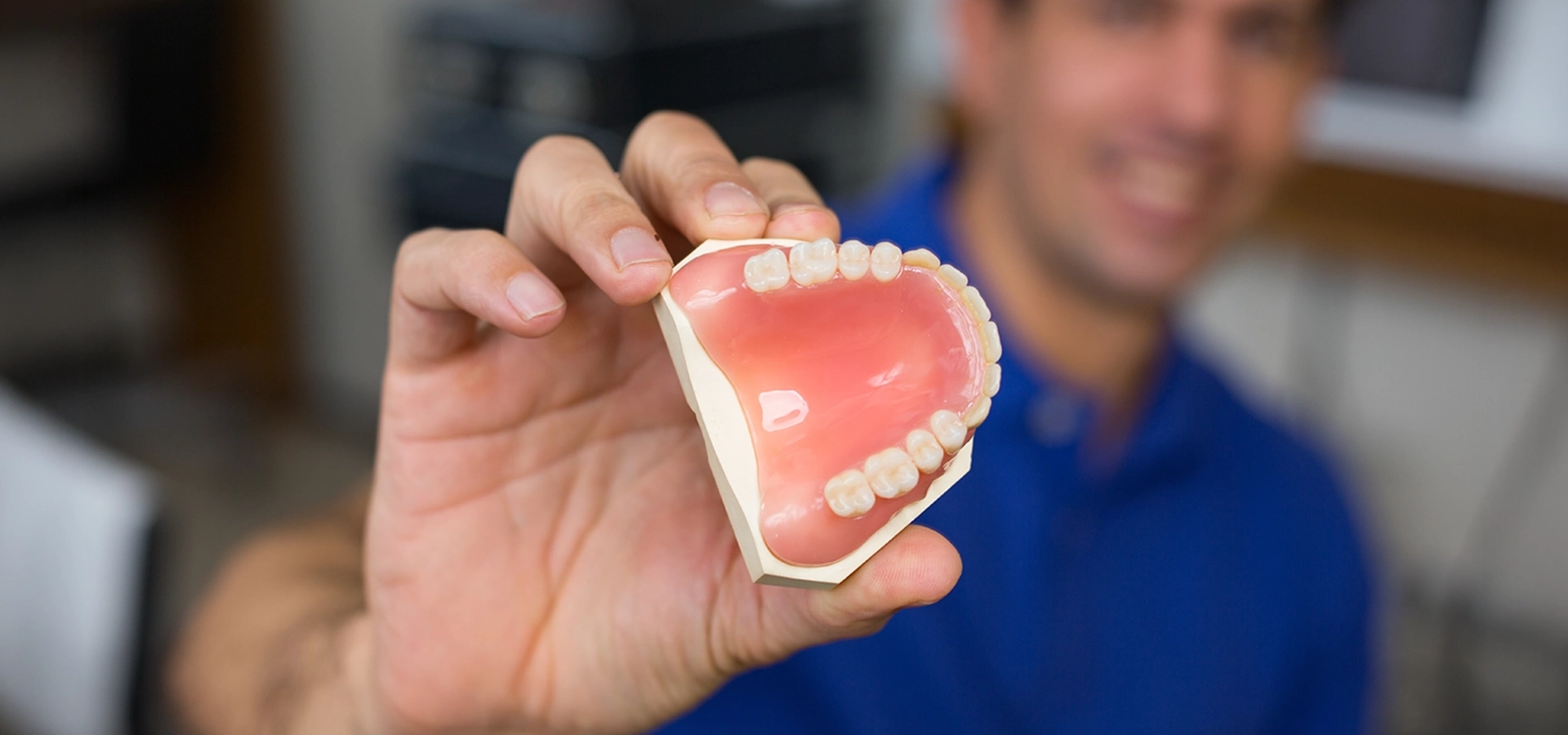
Full dentures replace all teeth in the upper or lower arch. Advances in materials and digital design allow for improved comfort, stability, and aesthetics.
Implant-supported dentures
For enhanced stability, dentures can be secured using implants. This reduces movement and improves chewing efficiency, offering a more confident experience.
Modern dentures are no longer the bulky, ill-fitting appliances many people remember. With digital scanning and high-quality materials, they can provide comfortable and functional solutions for patients with multiple missing teeth.
Emerging and complementary options
Restorative dentistry continues to advance.
- All-on-4® implant treatments provide full-arch replacement supported by strategically placed implants.
- Digital smile design and guided implant surgery enhance precision and predictability.
- Advanced ceramics and zirconia improve strength while maintaining lifelike translucency.
Technology has transformed both planning and execution, allowing treatments to be more streamlined and personalised.
Which option is right for you?
There is no universal answer as to what best suits every individual. The ideal solution to make your smile whole again depends on several factors:
- Number and location of missing teeth
- Bone quantity and quality
- Condition of adjacent teeth
- Overall health
- Budget and long-term goals
Good decision making is the result of a comprehensive dental examination, including diagnostic imaging and discussion of your personal expectations. When those are taken into account, you can look forward to restored comfort and protected long-term oral health, achieved in a way that aligns with your lifestyle. Your best solution is truly personal, and it takes thoughtful planning, clinical expertise, and a clear understanding of your goals to achieve it.
Why get it done soon
Delaying treatment can allow surrounding teeth to shift and bone loss to progress. Early intervention often expands your treatment options and can simplify procedures.
Replacing a missing tooth promptly protects both your smile and the structural integrity of your bite.
- Number and location of missing teeth
- Bone quantity and quality
- Condition of adjacent teeth
- Overall health
- Budget and long-term goals
Good decision making is the result of a comprehensive dental examination, including diagnostic imaging and discussion of your personal expectations. When those are taken into account, you can look forward to restored comfort and protected long-term oral health, achieved in a way that aligns with your lifestyle. Your best solution is truly personal, and it takes thoughtful planning, clinical expertise, and a clear understanding of your goals to achieve it.

Restore more than a smile
Tooth replacement is not simply about aesthetics. It is about fully reclaiming your life, so you can feel at ease when you eat, speak with clarity, and shine with confidence when you smile. Timely treatment also supports bite stability, protects surrounding teeth, and strengthens long-term oral health. In short, it is about restoring wholeness.
When it comes to solutions, modern dentistry offers refined, predictable options tailored to the individual. Advanced materials and precise planning allow for outcomes that look natural, feel secure, and support long-term stability.
No matter your situation or the treatment you choose, regular dental visits remain essential. Early detection of decay, gum disease, or structural changes helps keep your existing teeth and any restorations healthy for life. Supporting this, daily oral hygiene, including thorough brushing and flossing, puts your oral health on its best possible path. Put oral health first, and you can enjoy your smile with complete function and quiet confidence.


